How to Grow Cilantro and Slow Down Bolting
Cilantro flowers fast in warm weather, but you can stretch the leafy harvest. Learn when and how to sow it, how to keep it cool, and what to do once it bolts.
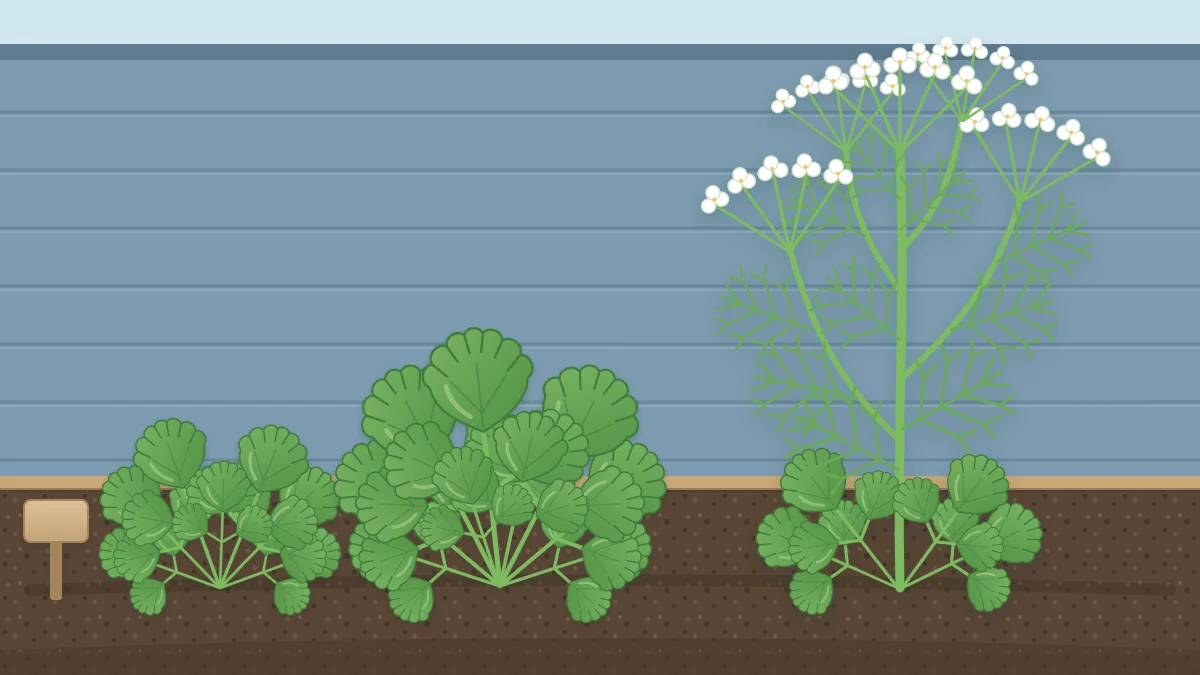
You sow cilantro, it comes up, you pick a handful or two, and then one warm week it shoots up a thin stalk with feathery leaves and tiny white flowers. The leafy harvest is over almost as soon as it began.
This is the most common complaint about the herb, and the key to how to grow cilantro well is to stop fighting it. Cilantro is a short-lived plant with a strong preference for cool weather. Work with that, and you can have fresh leaves for much longer.
Why cilantro bolts
Cilantro (Coriandrum sativum) is a cool-season annual. The NC State Extension profile for cilantro describes a plant that grows best in the cool weather of spring and fall, prefers medium-moist, well-drained soil in full sun to light shade, and bolts readily in heat.
Bolting means going to flower and seed. For an annual, that is the last chapter of its life, and warm weather tells cilantro to get there quickly. So when your plant bolts, it is finishing its life cycle. It is not a failure, and it is not something you did.
You cannot switch bolting off. What you can do is give the plant the conditions that delay it, and plan your sowing so a new batch is always coming along.
Sow it where it will grow
Cilantro dislikes transplanting. It forms a taproot early, and a plant whose roots have been disturbed often responds by flowering sooner. Starter plants sold in small pots are frequently already close to bolting for the same reason.
Direct sowing avoids the problem:
- Loosen the soil and rake it level.
- Sow the seed thinly in a short row or a small patch, at the depth given on the seed packet.
- Water gently and keep the surface moist until the seedlings appear.
- Thin crowded seedlings, following the spacing on the packet. The thinnings are good to eat.
If you are new to sowing outdoors, the guide to growing herbs from seed covers the basics.
Choose the cool seasons
Timing does more to slow bolting than any other step. Cilantro sown in the cool weather of spring has time to make leaves before the heat arrives. Cilantro sown into warming weather goes almost straight to flower.
In many regions there are two good windows: spring, and again as the heat fades toward fall. Fall sowings are often the easiest, because the days are getting cooler and shorter as the plants grow, not hotter and longer. Where winters are mild, cilantro may grow right through the cool months.
The right dates depend on your frost dates and how quickly your summers heat up. See when to plant herbs to work out your own windows.
Sow small batches, a few weeks apart
Since each plant has a short leafy season, one big sowing gives you a glut and then nothing. A better plan is to sow a small batch, then another a few weeks later, and keep going while the weather stays cool.
As the first batch starts to stretch, the second is ready to pick, and the third is just coming up. A short row or a small patch each time is plenty for most kitchens.
Tip
Look for seed packets labeled slow-bolting. These varieties still flower in the end, but they tend to hold their leafy stage longer, which buys you extra pickings from each batch.
Keep it cool and evenly moist
Stress pushes cilantro toward flowering, and the two stresses you can do something about are dry soil and hot afternoons.
- Moisture: keep the soil evenly moist. Check with a finger and water when the top layer begins to dry. Let the soil guide you, since the need changes with weather, soil type and plant size.
- Mulch: a thin layer around the plants slows drying and keeps the roots cooler.
- Afternoon shade: as the weather warms, shade in the hottest part of the day helps. Sow later batches where a taller crop, a fence or a building casts shade after midday.
- Containers: a pot can be moved out of the afternoon sun as the season heats up. Sow directly into the pot and use potting mix.
Cilantro grows in full sun to light shade, so use full sun for the earliest sowings and lighter shade as the weather turns warm.
Harvest outer leaves often
Start picking once the plants are leafy and well established. Take the outer leaves first, cutting each stalk near the base, and leave the young growth in the center to carry on. Regular picking keeps the plant producing fresh leaves.
Do not strip a plant bare. Take a little from several plants instead, and avoid removing more than about a third of any one at a time.
Watch the leaves in the center. When new ones turn fine and feathery and a stalk begins to rise, bolting has started. Cutting the stalk off may buy a few days, but it will not turn the plant back. At that point, pick what is left and rely on your next batch.
What to do once it flowers
A bolted cilantro plant still earns its place. You have three good options:
- Leave the flowers. The small white flowers attract beneficial insects to the garden.
- Collect the seeds. The ripe seeds are coriander, the spice. Let the seed heads turn brown and dry on the plant, then cut them and finish drying them in a paper bag. The guide on saving herb seeds explains how to collect and keep them for sowing.
- Let it self-sow. Cilantro often self-sows. Seeds that drop to the ground may sprout on their own when cool weather returns, giving you a free batch with no work.
Good to know
Self-sown seedlings come up where the seed fell, not in tidy rows. Learn to recognize the young lobed leaves so you do not weed them out, and thin them as you would a sown patch.
A simple cilantro plan
Put together, the approach looks like this:
- Direct sow a small batch in cool spring weather.
- Sow again a few weeks later, moving toward afternoon shade as the season warms.
- Keep the soil evenly moist and pick outer leaves often.
- When plants bolt, let some flower and set seed.
- Start sowing again as the heat fades toward fall.
Cilantro will always be a quick crop. Treated as one, with several small sowings instead of one large planting, it becomes far more dependable.
Frequently asked questions
Can I stop cilantro from bolting?
Not completely. Cilantro is a cool-season annual, and flowering is the natural end of its life cycle. You can delay it by sowing in cool weather, keeping the soil evenly moist, giving afternoon shade as the weather warms and choosing slow-bolting varieties. Repeat sowings fill the gaps.
Is cilantro the same plant as coriander?
Yes. In the United States the leaves are usually called cilantro and the ripe seeds are called coriander, but both come from the same plant. If you let a bolted plant flower and set seed, you can collect the dry brown seeds as coriander.
Should I buy cilantro plants or sow seed?
Seed is usually the better choice. Cilantro dislikes having its roots disturbed, and a transplanted plant often flowers sooner. Sowing directly where the plants will grow avoids that setback, and a packet gives you enough seed for several small batches through the cool seasons.