How to Grow Oregano for Strong Flavor
Oregano is easy to keep alive and harder to grow with real flavor. Learn how to choose a good plant, site it in sun and lean soil, and shear it at the right moment.
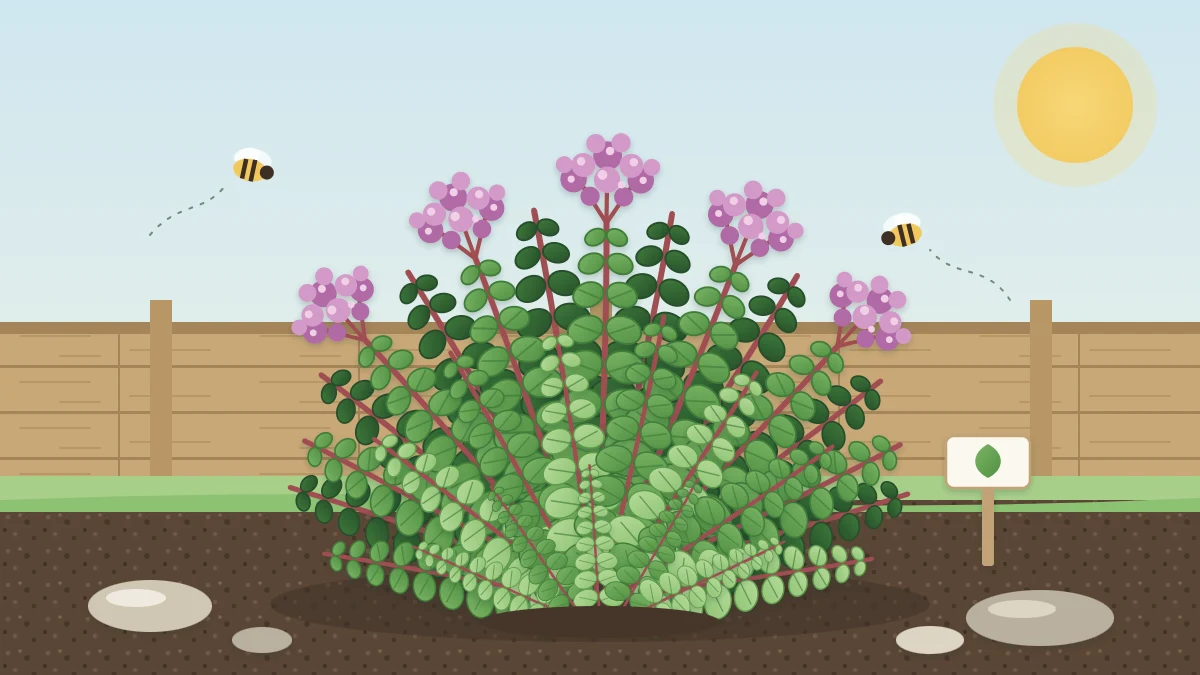
Oregano is not hard to keep alive. The harder part is ending up with a plant that tastes of something. Many gardeners grow a healthy green mat that spreads nicely, flops over the path and has almost no flavor when a leaf is chewed.
So this guide on how to grow oregano puts flavor first. That comes down to three choices: which plant you buy, how lean and sunny its spot is, and when you cut it.
What kind of plant oregano is
Oregano (Origanum vulgare) is a bushy perennial in the mint family, with small rounded leaves in opposite pairs on wiry stems. It is listed for USDA zones 4 to 8. Use that as a rough guide, since drainage and winter wet affect survival as much as cold does.
According to the NC State Extension profile for oregano, it does best in average, well-drained soil with dry to medium moisture, in full sun, and it tolerates heat and drought. Unlike its relative mint, it does not want constantly moist ground.
Flavor starts with the plant you buy
Flavor varies a lot from one oregano plant to another. Two plants with the same label can smell quite different, and some are grown mainly for their flowers and have very little taste.
For that reason, buy a starter plant you have smelled and tasted instead of growing from seed. Seedlings are a gamble, and you will not know what you have until the plant is well grown.
- Rub a leaf and smell it. A good culinary plant is strongly aromatic right away.
- If the seller allows it, taste a small piece of leaf. You are looking for a warm, peppery bite.
- Look for Greek oregano on the label. It is a commonly recommended culinary type.
- Choose a compact plant with firm stems over a tall, stretched one.
Sun and lean soil concentrate flavor
Give oregano full sun, meaning about six or more hours of direct sun a day. Sun and lean soil concentrate flavor. Rich soil and shade dilute it, producing larger, softer leaves on longer stems that taste milder and fall over more easily.
Average garden soil that drains well is all it needs. Do not dig in a lot of compost and do not plan on feeding it. If water stands in the spot after rain, plant in a raised bed or a container with potting mix instead.
Good to know
Golden and variegated oreganos are the exception on light. They appreciate some shade in the hottest part of the day, when strong sun can scorch their paler leaves. They are attractive plants, but smell and taste them before buying one for the kitchen.
Planting and early care
Plant after your last spring frost, or in early fall in mild-winter areas so roots can settle before cold weather. Set the root ball level with the soil surface and firm it in. For spacing, check the plant label, since mature spread differs between kinds, and leave enough room for air to move around each plant.
Water new plants in well, then check the soil with a finger and water when the top inch (2.5 cm) has dried. As the plant establishes, it needs less and less help. An established oregano in the ground copes with dry spells, while one in a pot dries out sooner and needs checking more often in hot weather.
Oregano shares its taste for sun and drainage with thyme, and the two sit well together in a dry bed. The guide on how to grow thyme covers that plant’s needs.
Shear before flowering to keep leaves coming
Left to itself, oregano sends up tall flowering stems in summer. Leaf production slows, the stems lean outward and the center of the plant opens up. That is the floppy mat many gardeners end up with.
Flavor is generally best just before bloom, when flower buds have formed but not opened. That makes it the ideal time for a big harvest and a haircut in one go.
- Cut the stems back by about a third to a half, always leaving leaf pairs below the cut.
- Cut just above a leaf pair, so new shoots grow from that node.
- Expect fresh, leafy regrowth over the following weeks.
- Between big cuts, pinch or snip stem tips as you need them to keep the plant bushy.
For more on why cutting above a node makes a plant branch, read the guide on how to prune herbs.
The stems from a pre-bloom shearing are worth keeping. Oregano is one of the herbs that holds its flavor well when dried, and the guide to drying herbs at home explains how.
Or leave some flowers for pollinators
There is a case for not shearing everything. Oregano’s clusters of small pink to purple flowers are popular with bees and other pollinators. A simple compromise is to shear most of the plant before bloom and leave one section, or one whole plant if you have two, to flower. Cut the flowered stems back once they fade.
Divide clumps that die out in the center
After a few years, an oregano clump often thins or dies out in the middle while the outer edge keeps growing. This is normal aging and not usually a sign of anything wrong with your care.
Division fixes it:
- In spring, as new growth appears, lift the whole clump with a spade or fork.
- Pull or cut it into sections, each with healthy roots and shoots.
- Discard the tired, woody center.
- Replant the vigorous outer pieces at the same depth and water them in.
You end up with several young plants. Keep the one with the best flavor in the sunniest spot.
Common disappointments and what to check
Weak flavor. This often comes from the plant itself, or from shade and rich soil. Taste it at midday in sunny weather before deciding. If it is still mild, replace it with a plant you have sampled.
Floppy, open growth. Possible causes include too little sun, soil that is too rich, or stems left to flower. Count the hours of direct sun the spot gets, then shear the plant back.
Yellowing lower leaves. One possibility is soil that stays wet. Feel the soil a few inches down. If it is damp days after rain, drainage needs attention.
Frequently asked questions
Why does my oregano have no flavor?
Often it is the plant itself, because flavor varies widely between oregano plants and seed-grown ones are unpredictable. Shade and rich soil can also make leaves milder. Move it to full sun and lean soil if you can, and if it stays bland, replace it with a plant you have smelled and tasted.
Should I grow oregano from seed or buy a plant?
Buy a plant. Seedlings differ from one another in scent and taste, and you only find out what you have once they are grown. With a starter plant you can rub a leaf and smell it before paying, which is the most reliable way to get good flavor.
When should I cut oregano back?
Shear it just before it flowers, when buds have formed but not opened. Flavor is generally best at that point, and cutting then pushes a fresh flush of leaves. Take about a third to a half of each stem and leave leaf pairs below every cut.