How to Grow Thyme: Sun, Sharp Drainage and Light Trims
Thyme lasts for years when it gets full sun and soil that drains fast. This guide covers where to plant it, how little to water it and how to trim it without harming the woody base.

Thyme has a reputation as an easy herb, and yet plenty of plants bought in spring are gone by the following one. The cause is rarely neglect. More often the plant was treated too kindly, with rich soil and regular water it never wanted.
If you want to know how to grow thyme that lasts for several years, think about where it comes from: sunny, stony ground where water drains away fast. Match that and most of the work is done.
What kind of plant thyme is
Common thyme (Thymus vulgaris) is a low, woody evergreen perennial. It keeps its leaves through winter in many gardens and forms a small mound of thin stems covered in tiny leaves. It is listed for USDA zones 5 to 9, which is a rough guide to winter cold and says nothing about how wet your winter is. The NC State Extension profile for common thyme gives the full description.
According to that profile, thyme performs best in dry, sandy or rocky soil with good drainage, in full sun, with a neutral to alkaline pH, and it tolerates drought once established. Each of those points steers a choice you make on planting day.
Why thyme usually fails
The usual cause of failure is wet soil, especially in winter. Thyme roots sitting in cold, saturated ground can rot, and the plant may look fine until spring and then turn brown in patches.
Browning has other possible causes too, including old age and winter wind on exposed foliage. The check that helps you tell them apart is the soil itself. Dig a small hole near the plant a day after rain. If water is still standing in it or the soil smears like putty, drainage is the first thing to fix.
Choose the right spot
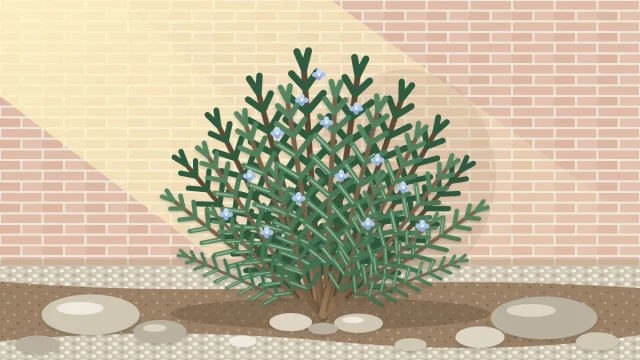
Pick the sunniest place you have. Full sun means about six or more hours of direct sun a day, and thyme uses all of it. In shade it grows thin and loose and has less flavor.
Then look for a place where water cannot linger. Good candidates include:
- A slope, where water runs off instead of soaking in.
- A raised bed filled with a free-draining mix.
- The top or edge of a low wall, where roots stay dry and stems can trail.
- Ground with naturally sandy, gravelly or gritty soil.
- A pot with drainage holes, filled with potting mix lightened with coarse grit.
If your soil is heavy clay, raising the planting area usually works better than trying to change the clay itself. The guide to the best soil for herbs explains how to test drainage and what to do about it.
Tip
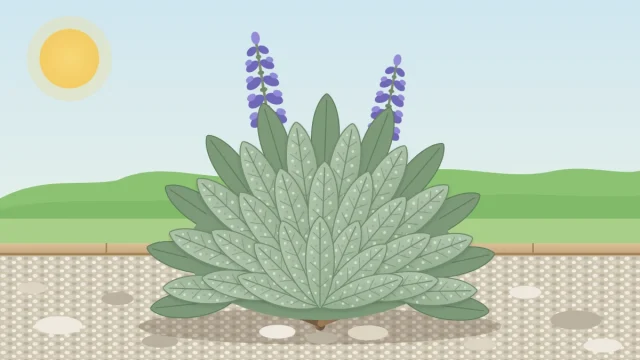
A thin layer of gravel or small stones around the base of the plant keeps the lower stems off damp soil and dries quickly after rain. Bark and other moisture-holding mulch can hold too much water against the crown.
Start with plants, not seed
Thyme seed is tiny and germinates unevenly, and seedlings stay small for a long time. A nursery starter plant gets you to harvest much sooner and lets you smell the leaves before you buy.
Plant in spring after your last frost, or in early fall in mild-winter areas where roots have time to settle before cold arrives. Space plants about 12 in (30 cm) apart so air can move between them. Set each root ball level with the surrounding soil, never deeper, and firm it in.
Skip the compost-rich planting hole you would give basil or parsley. Thyme does not need it, and soft growth pushed by rich soil is less flavorful and less able to cope with winter.
Watering: enough to establish, then very little
A new thyme plant has a small root ball and cannot yet reach moisture deeper in the ground. For its first weeks, check the soil with a finger and water when the top inch (2.5 cm) is dry. As the plant starts putting on new growth, stretch the gaps.
Once established, thyme in the ground needs water sparingly. In many climates rainfall covers it, and an established plant may go weeks without any help. Thyme in a pot dries faster and needs checking more often, but let the mix dry between waterings there too.
No feeding routine is needed in the ground. A potted plant that has been in the same mix for a long time can have a light feed with a fertilizer labeled for edible plants, used at the label rate.
Trim lightly and in the green
Thyme gets leggy with age: stems lengthen, the center opens up and the base turns bare and woody. Light, regular trimming slows this down.
- Trim when the plant looks stretched, and again after flowering.
- Cut into green, leafy growth only. Leave leaves below every cut.
- Do not cut into the bare woody base, which often fails to sprout again.
- Stop trimming well before your first fall frost so new tips are not caught by cold.
Harvesting counts as trimming. Snip sprigs from the tips as you need them, and the plant stays more compact.
Harvesting for the best flavor
You can pick thyme at any time it is in leaf, but flavor is strongest just before the plant flowers. That is the moment for a larger cut if you want to keep some for winter. Take the soft upper part of the stems and leave plenty of leafy growth behind.
Thyme holds its flavor well when dried, and the small leaves dry quickly. The guide on how to dry herbs walks through the method.
When the plant turns woody
Even a well-sited thyme becomes woody over several years. When there is more bare stem than leaf, you have two options. One is to replace it with a new plant. The other is layering: bend a low, flexible stem down to the soil, pin it in place, cover the pinned section lightly, and wait for it to root before cutting it free.
Thyme’s closest companion in the garden is oregano, which likes similar sun and drainage and makes a good neighbor in a dry bed. See how to grow oregano if you want to plant the two together.
Frequently asked questions
Why did my thyme die over winter?
Wet soil is the usual cause, more often than cold alone. Roots sitting in saturated ground through winter can rot. Check drainage by digging a small hole after rain and seeing whether water lingers. If it does, replant in a raised bed, on a slope or in a pot with gritty mix.
Can I grow thyme in a pot?
Yes. Use a container with drainage holes and potting mix lightened with coarse grit, and stand it in full sun. Check the mix with a finger and water only when it has dried out near the surface. Pots dry faster than garden soil, so check more often in hot weather.
How far back can I cut thyme?
Cut only into green, leafy growth, and leave leaves below each cut. The bare, woody base of an older plant often fails to sprout again if you cut into it. Several light trims through the growing season do more good than one hard cut.