How to Grow Parsley: From Slow Seed to Steady Harvest
Parsley seed is slow, but the plant is generous once it settles in. Learn the easiest way to start it, the soil it likes, and how to pick so the center keeps growing.
Parsley has a reputation for being slow, and the reputation is fair. The seed takes its time, and for the first few weeks a parsley bed can look like nothing is happening at all. Then the plants settle in and you are cutting from the same clump for months.
If you want to know how to grow parsley without the long wait, or how to manage the wait if you prefer seed, this guide covers both routes, plus the one harvesting habit that keeps a plant producing.
Parsley at a glance
Parsley (Petroselinum crispum) is a hardy biennial that is usually grown as an annual. According to the NC State Extension profile for parsley, it prefers consistently moist, well-drained, rich soil in full sun or light shade. It grows better where summers are cool and can struggle in hot, humid weather.
- Life cycle: biennial. It makes leaves in its first year and flowers in its second.
- Light: full sun or light shade.
- Soil: rich, moist and well-drained.
- Weather: happiest in cool conditions.
That preference for cool weather is useful to remember. In a hot-summer garden, a spot with shade in the afternoon often suits parsley better than the sunniest corner of the bed.
Curly or flat-leaf?
There are two main types, and they grow the same way.
| Type | Looks like | Often used for |
|---|---|---|
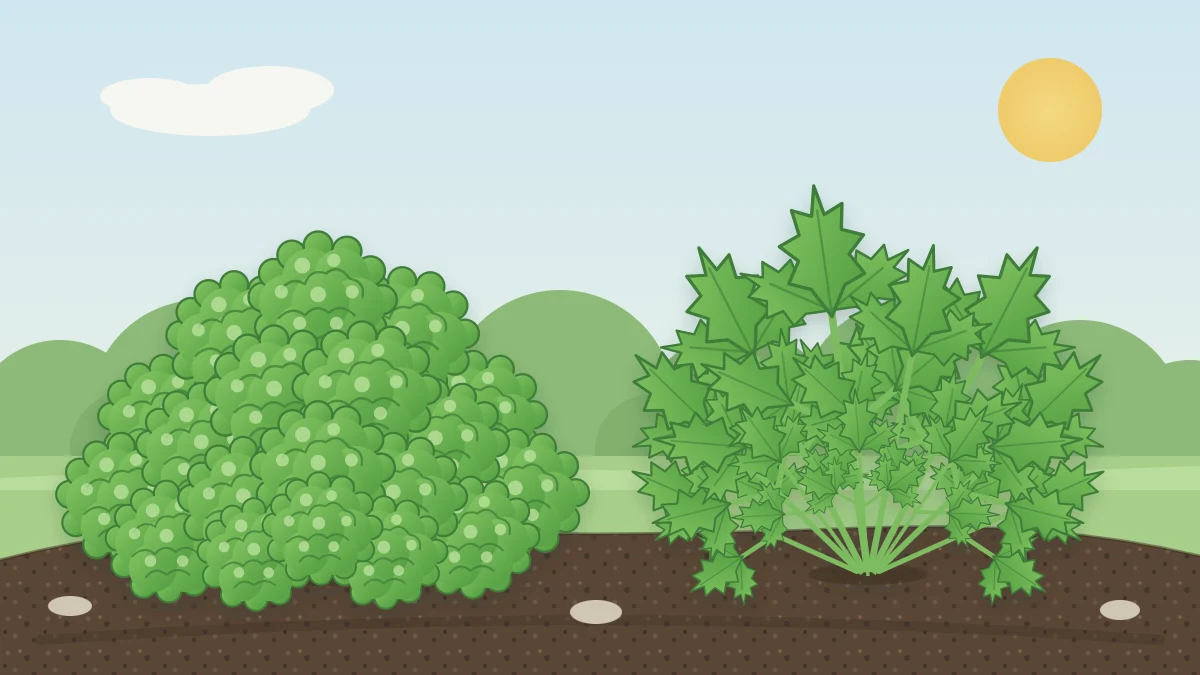
| Curly parsley | Dense, ruffled leaves on a compact plant | Garnishes and chopped into dishes |
| Flat-leaf (Italian) parsley | Open, divided leaves on longer stalks | Everyday cooking; easy to chop |
Curly parsley makes a neat edging for a bed. Flat-leaf parsley is a looser plant with longer stalks. If you have room, grow one of each and see which you reach for more.
Starting from seedlings: the easier route
Because the seed is slow to germinate, seedlings are the easier way to start. A few starter plants give you a head start of several weeks.
The one thing to know is that parsley grows a taproot, a single main root that runs straight down, and it does not like having that root disturbed. When you transplant:
- Choose young, compact plants over large ones that have been in their pots a long time.
- Water the pot first so the root ball holds together.
- Slide the plant out without teasing the roots apart, and set it at the same depth it was growing.
- Firm the soil gently and water it in.
Space plants about 8 to 12 in (20 to 30 cm) apart. For help choosing between the two starting methods for other herbs, see seeds vs transplants for herbs.
Starting from seed: patience required
Seed is cheaper and gives you plenty of plants, as long as you plan for the delay. Direct sow where the plants will grow, at the depth given on the seed packet, so the taproot never has to be moved.
The real work is keeping the seedbed moist for the whole waiting period. If the surface dries out and crusts while the seed is trying to sprout, germination is patchy. A few practical habits make that easier:
- Mark the row clearly. It is easy to forget where a slow crop was sown, and easy to weed it out by mistake.
- Water gently so the seed is not washed away.
- Thin the seedlings to the final spacing once they are large enough to handle.
Tip
Do not give up on a parsley row too soon. Bare soil after a couple of weeks is normal for this herb. Keep it moist and keep the weeds out while you wait.
Soil, moisture and feeding
Parsley is a leafy plant, and leafy growth depends on soil that holds moisture and has plenty of organic matter. Mix finished compost into the bed before planting. That one step covers most of what parsley asks for in the ground.
Aim to keep the soil consistently moist without leaving it waterlogged. Check with a finger and water when the top layer starts to dry. A layer of mulch around the plants slows drying and keeps the soil cooler in summer. The guide on how to water herbs explains how to read your soil.
Parsley in a container relies on you for everything. Use potting mix, pick a pot deep enough for the taproot, and if you feed, choose a product labeled for edible plants and follow the label rate.
Harvesting so the plant keeps growing
Wait until plants are around 8 in (20 cm) tall before you start. Then follow one rule: harvest the outer stalks, cutting each one at the base, and leave the center alone.
New leaves rise from the middle of the plant. Take the oldest stalks from the outside and the center keeps growing to replace them. Snipping the leafy tops off instead leaves a bundle of bare stalks and slows the plant down.
Take a few stalks from each plant instead of stripping one. For timing and handling after picking, see how to harvest herbs.
The second year and other things to expect
Parsley often survives winter and returns in spring. Then, in its second year, it sends up a tall flower stalk. Once that happens the leaf flavor declines, which is why most gardeners treat parsley as an annual and replant yearly.
You can still pick the early second-year leaves while new plants get established. Left to flower, the plant attracts small beneficial insects before it sets seed and dies.
Two other things are worth knowing:
- Summer slump. In hot, humid weather parsley may yellow or stall. Shade in the afternoon, mulch and steady moisture help it through. It often picks up again when the weather cools.
- Striped caterpillars. Swallowtail butterfly caterpillars feed on parsley. Many gardeners plant a little extra and leave them to it. If you would prefer to protect a plant, move the caterpillars by hand to a spare one.
Good to know
A parsley plant that suddenly grows a thick central stalk is starting to flower, not putting on a growth spurt. Pick what you want from it and sow or plant its replacement.
Frequently asked questions
Why is my parsley seed taking so long to come up?
Parsley seed is naturally slow to germinate, so a bare row for the first few weeks is normal. Keep the seedbed moist the whole time, since a dry, crusted surface makes sprouting patchy. If you would rather skip the wait, start with young seedlings instead.
Does parsley come back each year?
Parsley is a biennial, so it often survives one winter and regrows in spring. In that second year it sends up a flower stalk and the leaf flavor declines. Most gardeners treat it as an annual and plant fresh parsley each year for the best leaves.
Can parsley grow in shade?
Parsley grows in full sun or light shade. It prefers cool conditions, so in a garden with hot summers a spot that is shaded in the afternoon often suits it well. In deep shade the plant tends to be thin and slow, so aim for good light for part of the day.