Seeds vs Transplants: The Best Way to Start Each Herb
A herb-by-herb decision guide for the garden center: which herbs are worth sowing from seed, which are easier to buy as young plants, and how to choose a healthy starter plant.
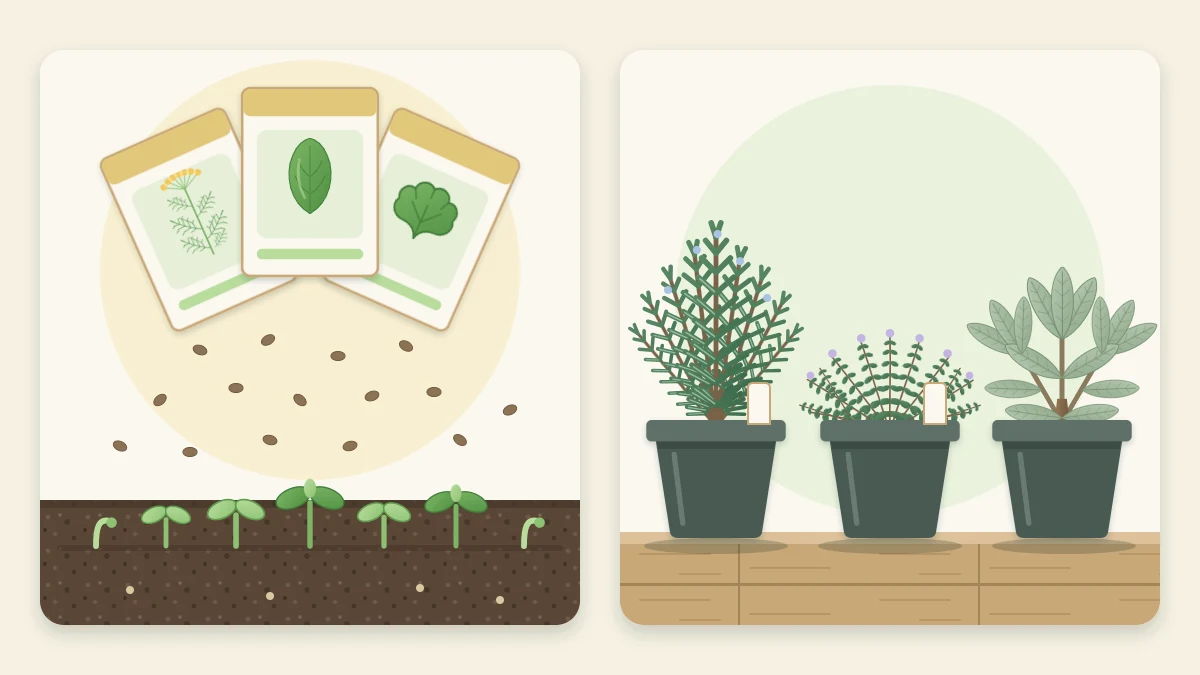
Standing in front of a rack of seed packets with a bench of young plants just behind it, most gardeners ask the same thing: which should I buy? The honest answer to seeds vs transplants for herbs is that it depends on the herb.
Some herbs are quick and easy from seed and dislike being moved. Others are slow, uneven or unreliable from seed and are far simpler to buy as a young plant. This guide sorts the common culinary herbs into the right camp so you can shop with a plan.
The short version
If you want a rule of thumb before the detail, here it is:
- Sow seed for cilantro, dill and basil.
- Buy plants for rosemary, thyme, sage, oregano and mint.
- Either works for parsley and chives, with a slight lean toward plants if you are impatient.
What seeds do well
Seeds cost less. One packet usually holds enough for a whole season of sowings, often with seed left over. That matters most for herbs you use in quantity, such as a long row of basil or repeated batches of cilantro.
Seeds also suit herbs that resent transplanting. A plant that grows from seed in its final spot never has its roots disturbed, so it never has to recover from a move. And seed racks tend to offer more varieties than a plant bench does.
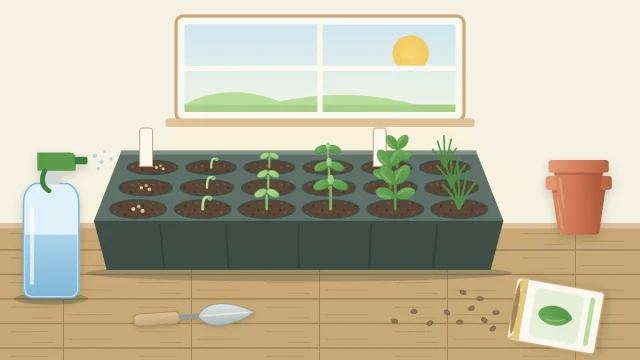
The trade-off is time and attention. Seedlings need steady moisture and patience for several weeks before they look like much. The step-by-step guide to growing herbs from seed covers the whole method.
What transplants do well
A transplant, also called a starter plant, is a head start you pay for. Someone else has handled germination and the slow early weeks, so you can be harvesting much sooner. That saving is largest for herbs that germinate slowly or grow slowly when young.
Transplants also make sense when you want only one or two plants. A single rosemary or sage is plenty for most households, and a full packet of seed would mostly go to waste.
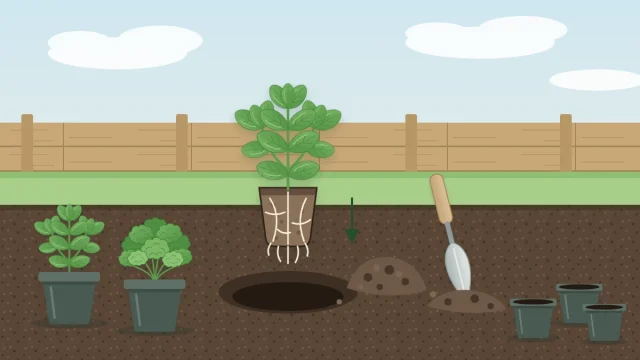
For some herbs a purchased plant is also the more predictable choice, because it was grown from a cutting or division of a plant with known flavor. When you bring plants home, the guide on how to transplant herb seedlings shows how to get them into the ground without a setback.
The best start for each herb
| Herb | Easiest start | Why |
|---|---|---|
| Basil | Seed or transplant | Easy and quick from seed; plants save a few weeks |
| Cilantro | Seed, sown directly | Dislikes root disturbance; resow in batches |
| Dill | Seed, sown directly | Dislikes root disturbance; resow in batches |
| Parsley | Transplant or seed | Slow to germinate, so many gardeners buy seedlings |
| Chives | Either | Fine from seed or plants; clumps can be divided |
| Rosemary | Transplant | Slow and tricky from seed |
| Thyme | Transplant | Germinates unevenly from seed |
| Sage | Transplant | Slow when young; one plant is usually enough |
| Oregano | Transplant | Slow from tiny seed; easier to choose a plant by its scent |
| Mint | Transplant | Does not come reliably true from seed |
Herbs to sow from seed
Cilantro and dill are the clearest cases. Both are best sown directly where they will grow, because they dislike root disturbance and a transplanted seedling often bolts early. Both are also short-lived, so one sowing gives only a few weeks of leaves. Sowing a small batch every few weeks through the cool part of the season keeps fresh plants coming, and that is only practical with seed.
Basil is easy from seed and a good first herb to try. It sprouts readily in warm conditions, and one packet gives you enough plants for generous harvests. If you want only a plant or two, or you are starting late, a transplant is a perfectly good shortcut.
Herbs to buy as plants
Rosemary, thyme, sage and oregano are woody or semi-woody perennials that live for years, so the cost of one plant is spread over many seasons. From seed they are slow, and thyme in particular germinates unevenly. Starting with a plant can put you a full season ahead. The guide on how to grow rosemary explains what a new plant needs once it is home.
Mint does not come reliably true from seed, which means seedlings can differ in scent and flavor from what the packet led you to expect. A purchased plant lets you rub a leaf and smell exactly what you are getting. A single pot of mint goes a long way, since the plant spreads readily.
Tip
For scented herbs such as mint, oregano and thyme, gently rub a leaf between your fingers before you buy. Plants of the same herb can vary, and your nose is the best guide.
Herbs that work either way
Parsley grows well from seed, but it is slow to germinate, and waiting on an empty-looking tray tests most beginners. That is why many gardeners simply buy seedlings. If you do buy, choose young plants, since parsley forms a taproot and older, crowded ones resent the move. The guide on how to grow parsley covers both routes.
Chives are forgiving. They come up reliably from seed, though the seedlings stay fine and grass-like for a while. A purchased pot gives usable leaves sooner, and an established clump can be divided into several pieces, so one plant often becomes many. A gardening friend with an old clump may be the cheapest source of all.
How to pick a healthy transplant
Not every plant on the bench is a good buy. Take a minute to check each one:
- Compact shape. Choose short, bushy plants over tall, stretched ones. Bigger is not better here.
- Good leaf color. Leaves should be evenly colored for that herb, without widespread yellowing, spots or browned edges.
- Roots that are not circling densely. Tip the plant gently out of its pot if you can. You want to see some white roots and plenty of soil, not a solid coil of roots.
- No pests under the leaves. Turn a few leaves over and look at the stem tips for clusters of small insects or fine webbing.
- Not yet flowering. A young herb already in bloom, especially basil or cilantro, has less leafy growth ahead of it.
Good to know
Read the plant label before you buy. It tells you the variety, whether the herb is an annual or a perennial and how much room it needs, all of which decide where it can go in your garden.
For a broad overview of growing these plants at home, see the University of Illinois Extension herb gardening pages.
Frequently asked questions
Is it cheaper to grow herbs from seed or buy plants?
Seed is cheaper per plant, and the difference grows when you want many plants or repeated sowings, as with cilantro, dill and basil. For long-lived herbs where one plant is enough, such as rosemary or sage, buying a single transplant is often the more sensible purchase.
Why is mint usually sold as plants instead of seed?
Mint does not come reliably true from seed, so seedlings can vary in scent and flavor. Plants raised from cuttings or divisions match their parent. Buying a plant lets you smell a leaf first and know what you are taking home, and one pot spreads into plenty.
Which herbs should not be transplanted?
Cilantro and dill dislike root disturbance and are best sown directly where they will grow. Moving them often sets them back or sends them to flower early. Parsley has a taproot too, so if you buy it as a seedling, choose young plants and keep the root ball intact.