Fertilizing Herbs: Why Less Is Usually More
Most herbs need far less fertilizer than you might expect. Learn which herbs benefit from a light feeding, which want almost none, and how compost and a soil test keep you from overdoing it.
Herbs are some of the least demanding plants you can grow, and that includes their appetite. When it comes to fertilizing herbs, the usual mistake is not forgetting to feed them. It is feeding them too much.
Most culinary herbs growing in reasonable garden soil need little or no added fertilizer. Below you will find out why that is, which herbs are the exceptions, and how to feed lightly and sensibly when a plant really does need a boost.
Why herbs usually need so little
You grow herbs for their leaves, and above all for the flavor in those leaves. A plant that grows at a steady, moderate pace tends to make compact stems and strongly scented foliage. A plant pushed with a lot of fertilizer grows quickly instead, and fast growth is not the same as good growth.
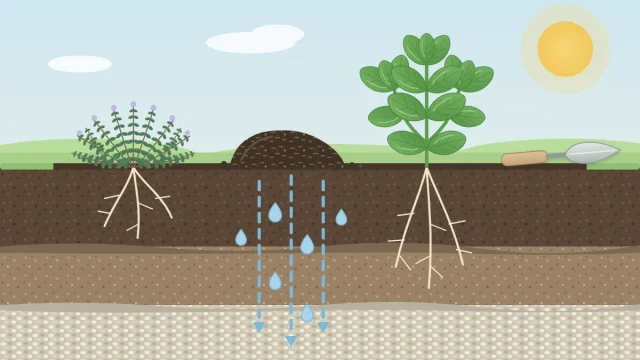
Ordinary garden soil that drains well and contains some organic matter already holds a supply of nutrients. Herb roots draw on that supply slowly through the season. If you have not looked closely at your ground yet, start with the guide to the best soil for herbs, because getting the soil right does far more for your plants than any product you add later.
What too much fertilizer does
Heavy feeding, especially with nitrogen, tends to produce a flush of soft, lush growth. It looks impressive for a while, but it comes with drawbacks:
- Weaker flavor. Big, fast-grown leaves often taste milder than leaves from a plant grown a little lean.
- Floppy stems. Soft growth bends and breaks more easily in wind and rain.
- Root damage. A strong dose of fertilizer on dry soil can scorch roots and brown the leaf edges.
Underfeeding an herb is usually easy to correct. Overfeeding is much harder to undo, which is why erring on the low side is the safer habit.
Compost first: the simplest feeding plan
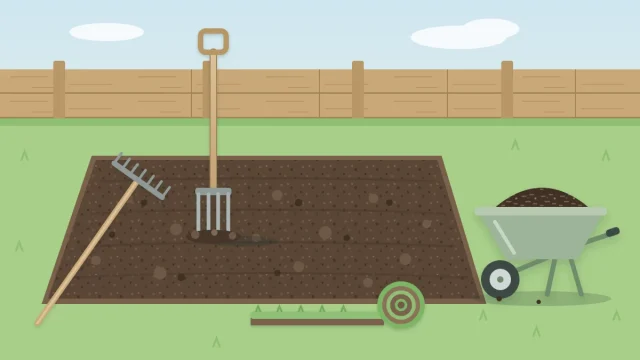
For herbs in garden beds, compost is often all the feeding you need. Work a modest layer of finished compost into the top few inches of soil when you prepare the bed or set out new plants. It releases nutrients gradually and improves the way the soil holds both air and moisture.
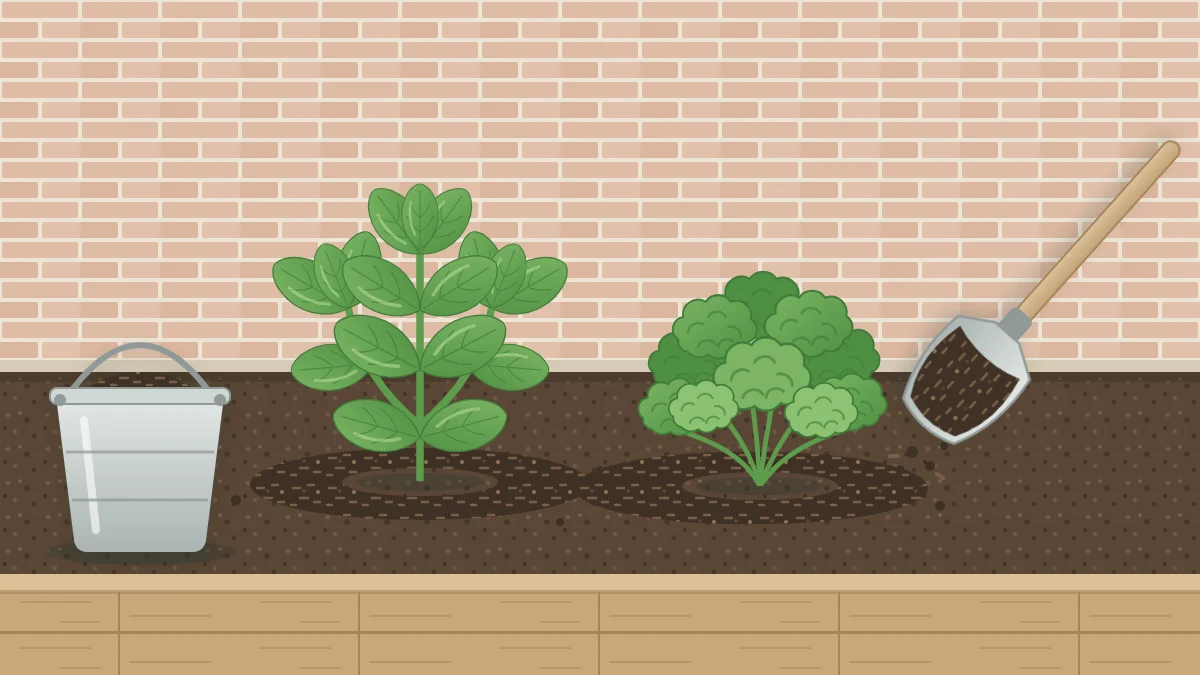
In later years, a thin ring of compost spread around established plants in spring does the same job with no digging. Keep it slightly away from the stems, particularly on woody herbs, so the base of the plant stays dry.
Herbs that may want a little more
Leafy herbs you cut often
Basil, parsley and chives are grown for a steady supply of soft leaves, and every harvest removes growth the plant then has to replace. In lean or sandy soil, these herbs may slow down or turn pale by midsummer. A light feeding after a heavy cut, or a fresh layer of compost, is usually enough to get them going again.
Herbs in containers
Pots are the main exception to the “feed very little” rule. A container holds a limited amount of potting mix, and each watering washes some nutrients out through the drainage holes. Over a season, even a good mix can run low.
That does not mean heavy feeding. It means small, regular amounts at or below the label rate during active growth. The guide to growing herbs in containers covers pot size, potting mix and the rest of container care.
Herbs that want the least
Rosemary, thyme, sage and oregano sit at the other end of the scale. These herbs do well in lean, well-drained soil and often have their best flavor when they are not pampered. In a bed with average soil they commonly need no fertilizer at all beyond a little compost at planting.
Rich soil and regular feeding can make them leggy and soft, and soft growth on these plants tends to cope poorly with wet weather and winter cold. The guide on how to grow oregano shows how little attention a herb of this type really asks for.
Let a soil test guide you
Guessing is the weak point of most feeding routines. A soil test replaces the guess with information: it reports the pH of your soil and the levels of the main nutrients, and it often comes with recommendations for what to add, if anything.
Many state extension services offer testing or can point you to a laboratory, and University of Maryland Extension explains how soil testing works and how to take a sample. A test every few years is plenty for a home herb bed.
If you would like to understand what the numbers on a report mean, the soils and plant nutrients chapter of the NC State Extension Gardener Handbook is a thorough, readable reference.
If you do use fertilizer
When a soil test, a hungry container or a hard-working basil plant calls for fertilizer, keep the approach simple:
- Choose a product labeled for edible plants.
- Read the whole label and follow the label rate. If you are unsure, use less rather than more.
- Apply it to moist soil, not dry soil, and water afterward so it moves down to the roots.
- Feed only while the plant is actively growing. Stop toward the end of the season so perennial herbs can slow down before cold weather.
Good to know
The label on a fertilizer is the instruction set for that exact product. Rates differ widely from one product to the next, so never carry a rate over from a different package.
Pale leaves are not always hunger
Yellowing or pale lower leaves are often blamed on a lack of fertilizer, but hunger is only one possibility. Soggy soil, poor drainage, crowded roots in a small pot, too little sun, cold nights and the natural aging of older leaves can all look much the same.
Before you reach for fertilizer, run through a few checks:
- Push a finger into the soil. If it is wet and stays wet, the roots may be short of air, and feeding will not fix that.
- Look at the light. An herb that needs full sun and gets only a few hours often turns pale and stretched.
- Check a potted plant for roots circling the inside of the pot or growing out of the drainage holes.
- Notice which leaves are affected. A few old leaves fading at the base of a healthy plant is normal.
If the soil, light and roots all look fine and the plant is still pale and slow, a light feeding is a reasonable next step. Give it a couple of weeks and watch the new growth, which tells you more than the old leaves do.
Frequently asked questions
Do herbs in garden beds need fertilizer every year?
Often not. In reasonable soil, a little finished compost worked in at planting, or spread around established plants in spring, usually carries herbs through the season. A soil test every few years is the best way to find out whether your bed is actually short of anything before you add more.
Why do potted herbs need more feeding than herbs in the ground?
A pot holds only a small amount of potting mix, and water running out of the drainage holes carries nutrients away with it. Over a season the mix can run low. Small amounts of a fertilizer labeled for edible plants, at or below the label rate, are usually enough during active growth.
Can too much fertilizer change how herbs taste?
It can. Heavy feeding, especially with nitrogen, tends to push fast, soft growth, and those large lush leaves often have a milder flavor than leaves from a plant grown a little lean. Rosemary, thyme, sage and oregano in particular are usually at their best with very little feeding.